












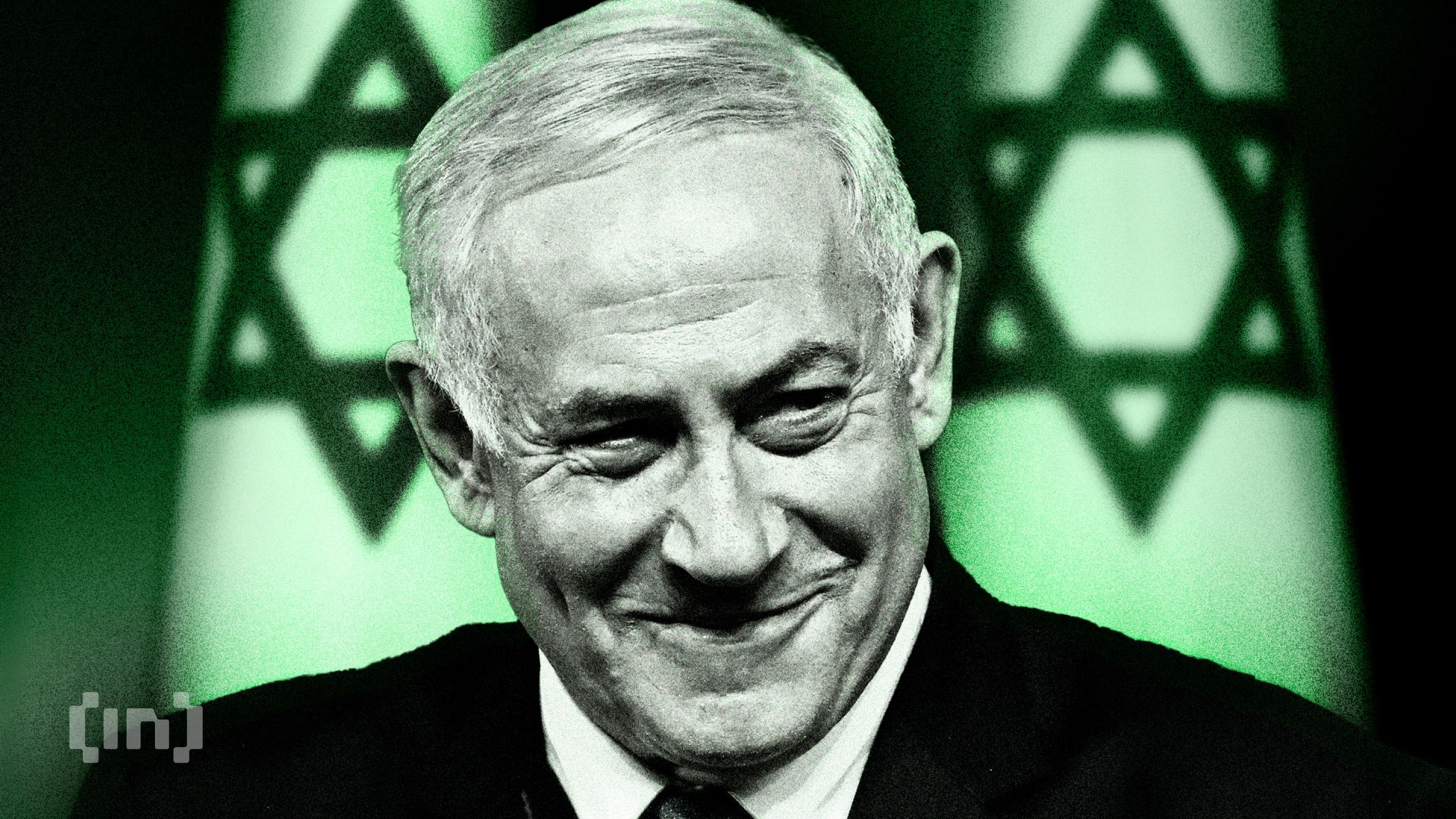
Israel’s election has ended without a clear winner, leaving the future of its war with Iran uncertain. The political deadlock could have major consequences for global oil prices, inflation and financial markets.
Exit polls on Tuesday, October 27, showed Prime Minister Benjamin Netanyahu’s coalition trailing the opposition led by former military chief Gadi Eisenkot. Neither secured the 61 parliamentary seats needed to govern.
The uncertainty comes as oil traders weigh the possibility of renewed US-Israeli attacks on Iran. Brent crude settled at $113.88 on Tuesday, with the market already carrying a substantial premium for geopolitical risk.

Israel’s Election Produces an Unexpected Result
Netanyahu’s Likud is projected to remain the largest individual party with 24 seats, against 22 for Eisenkot’s Yashar. However, the biggest surprise came from Palestinian citizens of Israel.
Record participation in Arab communities helped the Joint List and Ra’am secure a projected 18 seats, up from 10 in the outgoing parliament. Nationwide turnout reached 77.7%.
The Arab parties could therefore hold the balance of power. Yet Eisenkot has rejected a formal coalition with them, leaving prolonged negotiations or another election possible
Netanyahu vs. Eisenkot: What Changes for Iran?
Both leaders support military action to prevent Iran from acquiring nuclear weapons. Their differences concern the scale of the conflict and prospects for diplomacy.
| Policy | Netanyahu | Eisenkot |
| Iran war | Wants regime change in Tehran | Sees military-imposed regime change as unrealistic |
| Nuclear threat | Supports preemptive strikes | Supports strikes when necessary, alongside diplomacy |
| Gaza | Demands Hamas disarm before withdrawal | Same demand; promises to replace Hamas’s administration within 18 months |
| West Bank | Supports settlement expansion | Opposes unauthorised outposts and the E1 project |
Netanyahu has Trump’s political backing, although renewed American military involvement remains uncertain.
Why Wall Street Is Watching Israel
The immediate concern is the Strait of Hormuz, which carried around 25% of global seaborne oil trade in 2025.
Any serious disruption could raise energy costs worldwide, complicate interest-rate cuts and pressure riskier investments, including stocks and cryptocurrencies.
Five major financial institutions have already assessed the risks.
| Institution | Latest assessment |
| Commerzbank | Israel’s election could materially affect the Iran war, particularly if Netanyahu pursues regime change. |
| Goldman Sachs | Roughly $27 per barrel of Brent reflects geopolitical risk. A sustainable diplomatic settlement could reduce that premium. |
| UBS | Expects Brent near $110 through year-end, up from its previous $100 forecast, amid continuing Middle East instability. |
| SEB | Sees substantial risk premium tied to possible new US-Israeli attacks on Iran in the coming weeks. |
| MUFG | Identifies the Israeli election and US midterms as major political events influencing the next geopolitical catalyst for oil. |
What Happens to Stocks and Crypto Next?
A credible diplomatic breakthrough could lower oil prices and ease inflation concerns, potentially supporting equities and Bitcoin.
Renewed attacks on Gulf energy infrastructure could have the opposite effect, raising inflation expectations and making borrowing more expensive.
For investors, the immediate question is whether Israel’s political deadlock delays a settlement or allows the confrontation with Iran to continue.
With official election results still pending and US midterm elections scheduled for November 3, uncertainty could persist beyond this week.
Source: BeInCrypto